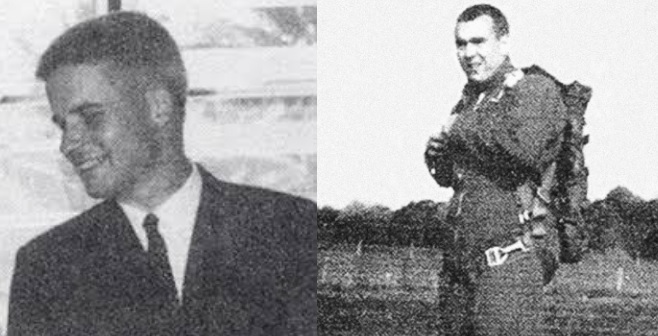
“The bravery of these two men cannot be overstated. Chris and Chief put the lives of others ahead of their own. That is heroism defined.”
George J. Tenet Director of Central Intelligence (May 2004)
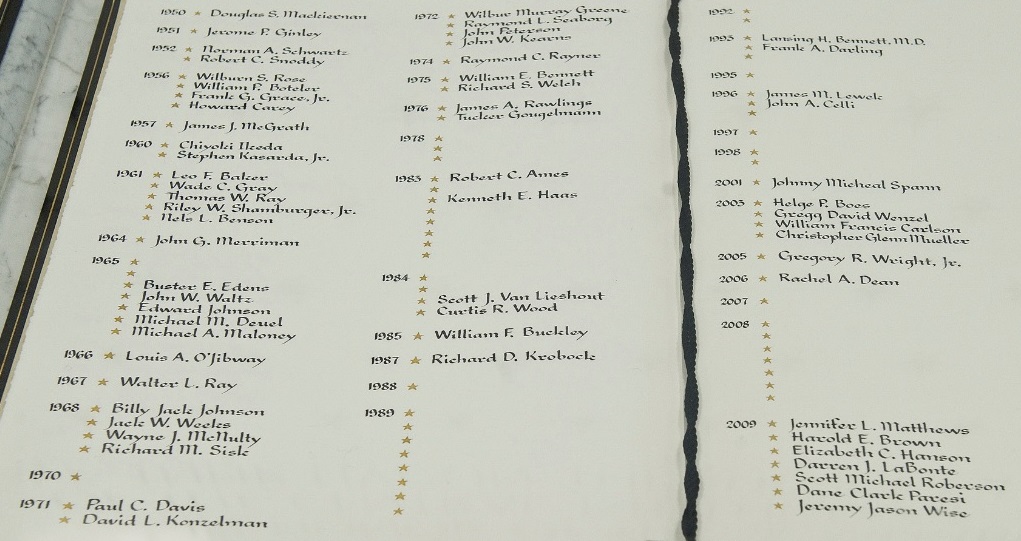
October 25, 2026 — Mueller and Carlson were paramilitary contractors from Special Activities Division, killed in an ambush in Afghanistan on October 25, 2003. On May 21, 2004, these officers’ stars were dedicated at the CIA memorial ceremony. Follow us on Twitter: @INTEL_TODAY
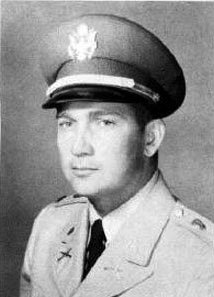
“I heard one day that one of our local operations had gone awry, that a helicopter had been forced to make an emergency landing, hurting someone in the process. It turned out to be much worse than that. Dave had been horribly burned by a white phosphorous grenade. It was a windy day, and the helicopter pilot had apparently requested that a smoke grenade be thrown to show him wind direction as he landed in a small area. A white phosphorous grenade had been used by mistake.”
A friend of David Lee Konzelman
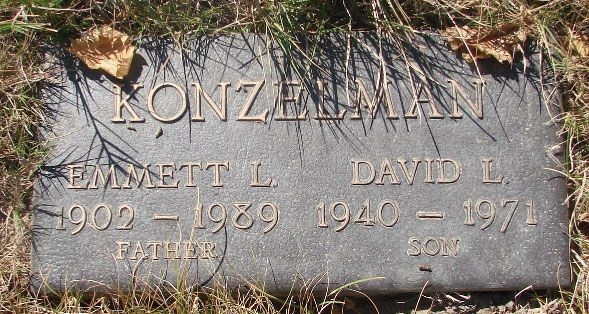
October 24, 2026 — David Lee Konzelman died on October 24, 1971, at Brooke Army Medical Center in Texas from injuries sustained on September 13, 1971. The injuries occurred when a phosphorus grenade exploded in his hand while he was serving in Southeast Asia during the Vietnam War. Follow us on Twitter: @INTEL_TODAY
“And you’ll ask: why doesn’t his poetry speak of dreams and leaves and the great volcanoes of his native land? Come and see the blood in the streets.”
I explain a few things Pablo Neruda
October 21, 2026 — Ricardo Eliécer Neftalí Reyes Basoalto (12 July 1904 – 23 September 1973), better known by his pen name and, later, legal name Pablo Neruda was a Chilean poet-diplomat and politician. On October 21 2018, The Spy Museum tweeted: “Today in SpyHistory – The Nobel Prize for Literature was awarded to former KGB agent and Chilean poet, Pablo Neruda, 1971.” Really? Where is the evidence that Neruda was a KGB agent? Follow us on Twitter: @INTEL_TODAY
“They blinked. Tears rolled down my cheeks. I turned to the stars and whispered, ‘John’s star is here.’ I moved to the wall and gently touched the star I knew was his. They followed me, Lora’s small hand lovingly and gently taking mine. Tyler slipped his arm protectively around me, both sharing my newly revealed sadness.”
Martha Peterson
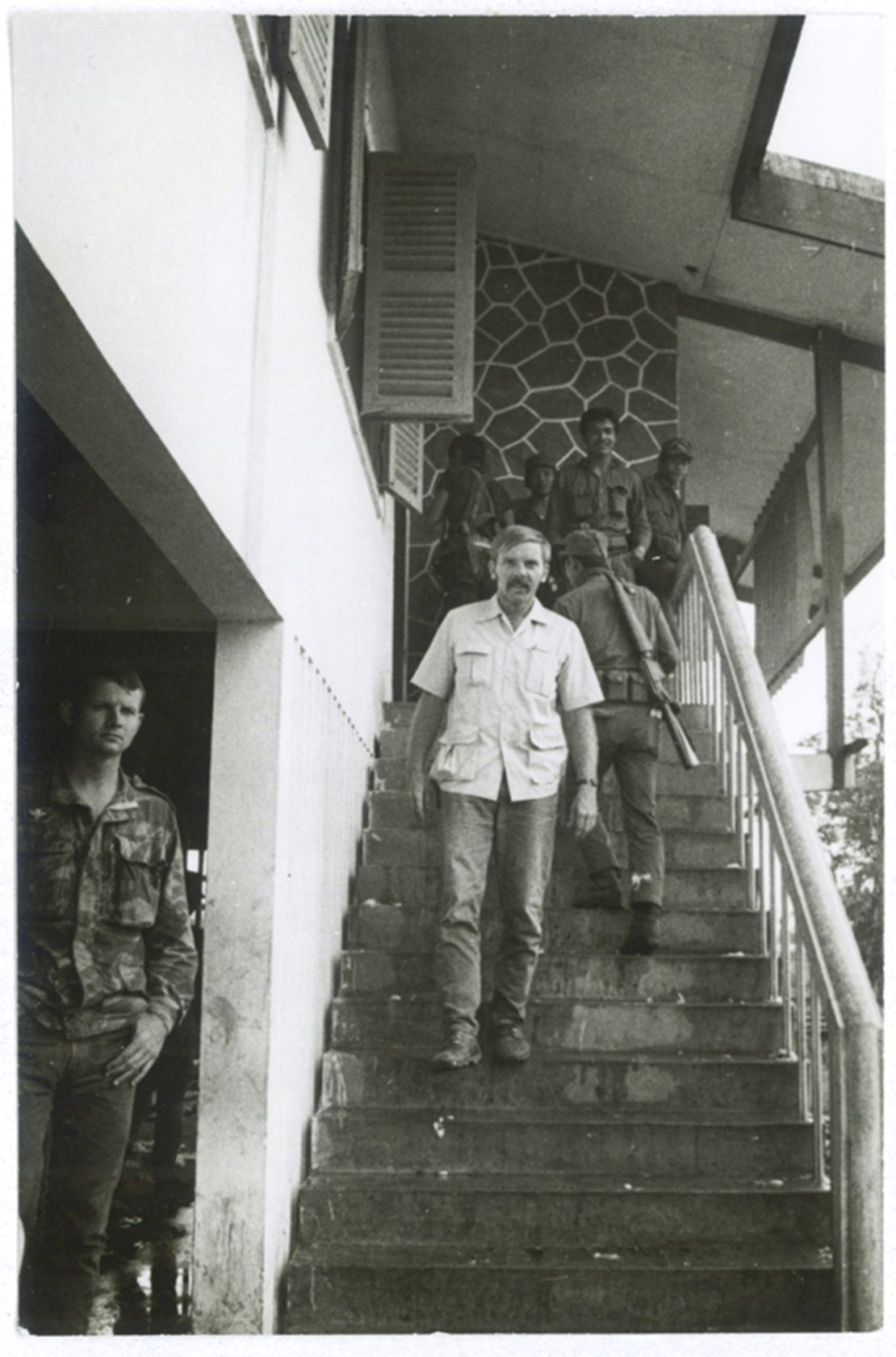
October 19, 2026 — John Peterson, a CIA paramilitary operations officer, was killed in action in Laos on October 19, 1972, during the Vietnam War. His death occurred while conducting a mission against North Vietnamese forces as part of the CIA’s operations supporting local militias along the Ho Chi Minh trail. Follow us on Twitter: @Intel_Today
“Many people remember the events leading up to October 19, 1987. Unfortunately, very few of them recall the specifics. When many people talk about the dramatic drop in the overall stock market, they either blame a single cause (portfolio insurance) or treat the market fall as if it were something that came from out of the blue. Far from being a lightning strike or an act of God, the crash was a single event caused by a complex series of interconnected events.”
Black Monday The Motley Fool
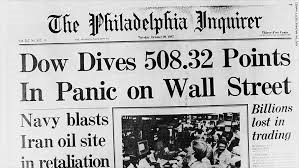
October 19, 2022 — In the morning of October 19 1987, two U.S. warships shelled an Iranian oil platform in the Persian Gulf in response to Iran’s Silkworm missile attack on the Sea Isle City. The stock market crashed as the Dow Jones Industrial Average plunged 508 points, or 22.6 percent in value, its largest single-day percentage drop. The day became known as “Black Monday”. In a FRONTLINE interview, Former CIA Vincent Cannistraro explained his view on the whole affair going from the Iran-Contra scandal (November 3 1986) to the shoot down of Iran Airbus 655 (July 3 1988), and eventually to the Lockerbie tragedy (December 21 1988). Follow us on Twitter: @INTEL_TODAY
“Many could argue – and did – that Mike Deuel and the others who died in Laos died for naught, that their efforts failed to sway events. But tough the mission ultimately failed, their grit is still quietly celebrated at Langley by the aging few who knew them, particularly those from the agency class of 1961. They remember Deuel not as a casualty of war, but the standard-bearer of their class and generation.”
The Book of Honor Ted Gup
Michael M. Deuel & Michael A. Maloney
October 12, 2026 — On October 12, 1965, an Air America Sikorsky UH-34 helicopter crashed during takeoff from a pad near Saravane (now Salavan), Laos, resulting in the deaths of the pilot, Capt. Richard H. Liebert, the co-pilot, Franklin D. Smith, and CIA officers Mike Deuel and Michael A. Maloney. Follow us on Twitter: @Intel_Today
“If the defense challenges the provenance and chain of custody of PT/35(b), the fragment of bomb timer circuitry that became a central element in the case against Libya, the prosecution could face a potentially devastating evidentiary problem.”
Intel Today August 20, 2026
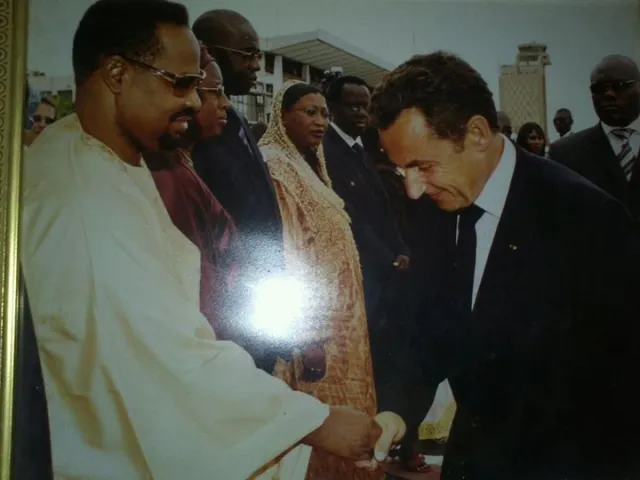
Ahmed Khalifa Niasse and French President Nicolas Sarkozy
August 27, 2026 — Just 24 hours before jury selection, the Lockerbie trial was postponed because of evidence previously unknown to the parties. Nearly four decades after the tragedy, this development is baffling. But it may not be as coincidental as it seems. Follow us on Twitter: @INTEL_TODAY
“She was brave, she was bold, and she was beautiful. In her fearless quest to uncover the wrongdoings of the Russian State, Anna Politkovskaya inspired awe in some and fear in countless others. Hers was a lonely voice, yet loud enough for the entire country to hear. It was too loud. At age 48 she was assassinated for simply doing her job.”
A Bitter Taste of Freedom
Anna Politkovskaya (August 30, 1958, New York City — Assassinated: October 7, 2006, Moscow)
October 7, 2026 — On October 7 2006, Russian investigative journalist Anna Politkovskaya was killed in front of the elevator of her apartment building in Moscow. After several arrests, releases and retrials over eight years, five people have been jailed for her murder. Who ordered the contract killing? Follow us on Twitter: @INTEL_TODAY
“Our confidential source ascertained (…) that the bombing of the Cubana Airlines DC-8 was planned, in part, in Caracas, Venezuela, at two meetings attended by Morales Navarrete, Luis Posada Carriles and Frank Castro. (…) A confidential source all but admitted that Posada and [Orlando] Bosch had engineered the bombing of the airline.”
FBI Declassified Reports
Luis Clemente Faustino Posada Carriles (born February 15, 1928) — nicknamed Bambi — is a Cuban exile militant and former Central Intelligence Agency agent. Carriles is considered a terrorist by the Government of Cuba, among others; he is widely considered responsible for the bombing of Cubana flight 455, which killed 73 people.He was a long-time member of the Coordination of United Revolutionary Organizations described by the FBI as “an anti-Castro terrorist umbrella organization”.
October 6, 2026 — Cubana de Aviación Flight 455 was a Cuban flight from Barbados to Jamaica that was brought down on 6 October 1976 by a terrorist bomb attack. All 73 people on board the Douglas DC-8 aircraft were killed. Several CIA-linked anti-Castro Cuban exiles and members of the Venezuelan secret police DISIP were implicated by the evidence. Scholars continue to reexamine the extent of U.S. intelligence agencies’ knowledge or involvement, or whether there was complicity by omission. Follow us on Twitter: @INTEL_TODAY
“Dr. No is a dangerous mixture of violence, vulgarity, sadism and sex.”
Vatican spokesperson (1962)
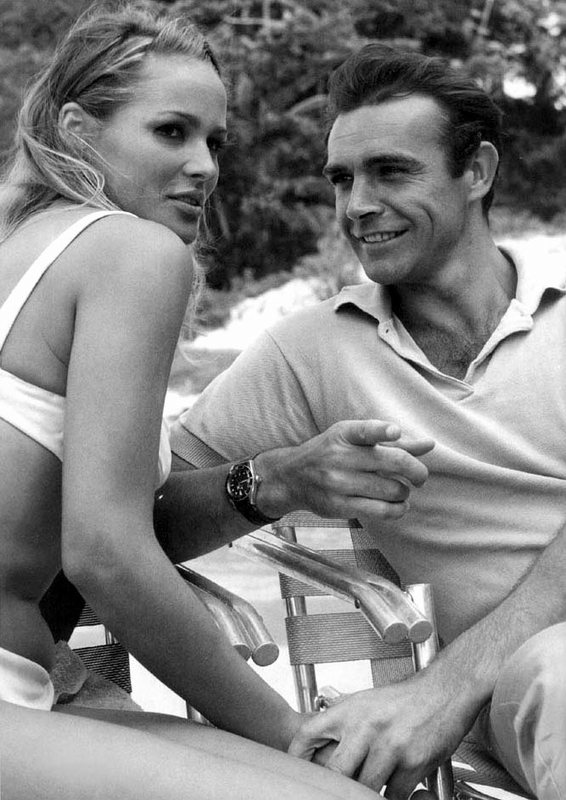
James Bond Dr No — Behind-The-Scenes Photos of Sean Connery and Ursula Andress
October 5, 2026 — On October 5 1962, Dr. No had its worldwide premiere at the London Pavilion. Fifty years after the release of the film, Eon Productions celebrated “Global James Bond Day” on October 5 2012. Follow us on Twitter: @INTEL_TODAY