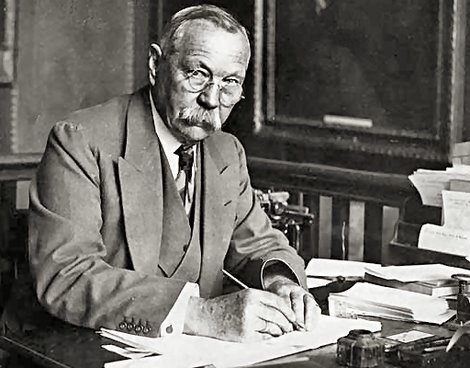
“Whistleblowers are unlikely to look to others or to aspects of the situation for cues to appropriate behavior. Instead, their behavior is consistent across situations because they rely on their own attitudes and beliefs, which include a strong endorsement of universal moral standards as a guide.”
In Praise Of Difficult People: A Portrait Of The Committed Whistleblower
“When the other side is powerful, the whistleblower hardly stands a chance of surviving the conflict unscathed (…) Unfortunately, most whistleblowers are naive about the precautions they should take, the amount of evidence they must bring forth, and the fact that virtually no one will be on their side when the case gets underway.”
Joan E. Sieber — The Psychology of Whistleblowing
“All too frequently the government claims that publication of certain information will harm national security, when in reality, the government’s real concern is about covering up its own wrongdoing or avoiding embarrassment.”
New York Times reporter James Risen
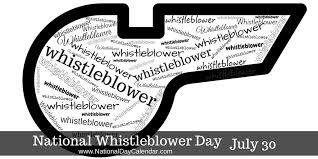 July 30 is US National Whistleblower Day. In her paper, published in Science and Engineering Ethics in 1998, Joan Sieber — Professor Emerita of Psychology at California State University, Hayward — contends that there are seven “psychological processes involved” in whistleblowing: fundamental attribution error, false consensus, self-serving bias, self-presentational concerns, motivational concerns, need for a sense of control, and the “irrational” belief in a just world. Follow us on Twitter: @Intel_Today Continue reading →