“The bombing of the Pan Am flight [103] was conceived, authorised and financed by Ali-Akbar Mohtashemi-Pur, Iran’s former interior minister. The execution of the operation was contracted to Ahmad [Jibril], Popular Front for the Liberation of Palestine General Command [PFLP-GC] leader, for a sum of $1million. $100,000 of this money was given to Jibril up front in Damascus by the Iranian ambassador to Sy [Syria], Muhammed Hussan [Akhari] for initial expenses. The remainder of the money was to be paid after successful completion of the mission.”
US Defense Intelligence Agency Memo (September 24 1989)
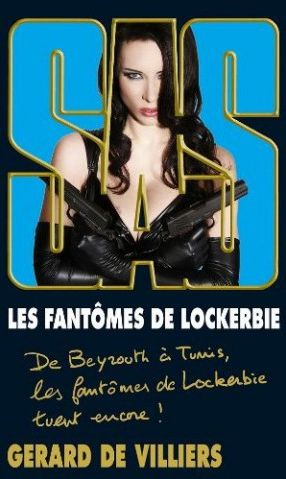
“I asked de Villiers about his next novel, and his eyes lighted up. ‘It goes back to an old story,’he said. Lockerbie. The book is based on the premise that it was Iran — not Libya — that carried out the notorious 1988 airliner bombing. The Iranians went to great lengths to persuade Muammar el-Qaddafi to take the fall for the attack, which was carried out in revenge for the downing of an Iranian passenger plane by American missiles six months earlier, de Villiers said. This has long been an unverified conspiracy theory, but when I returned to the United States, I learned that de Villiers was onto something. I spoke to a former C.I.A. operative who told me that ‘the best intelligence’ on the Lockerbie bombing points to an Iranian role. It is a subject of intense controversy at the C.I.A. and the F.B.I., he said, in part because the evidence against Iran is classified and cannot be used in court, but many at the agency believe Iran directed the bombing.”
The Spy Novelist Who Knows Too Much — Robert F. Worthjan

September 24 2019 — There has been a persistent “rumor” that Iran paid a large amount of money — possibly up to US$ 10 million — to the PFLP-GC terrorist organization of Ahmed Jibril in the immediate aftermath of the Lockerbie tragedy. This is simply disinformation. Although the CIA and the DIA have often claimed to have evidence of such ‘payment’, a quick look at the source document will easily convince you that this legend was built around a suspicious transaction that has nothing to do with the Lockerbie tragedy. The SCCRC came to the same conclusion. Although Richard Marquise (FBI) is not willing to discuss the issue (the information is still classified), I believe that he agrees with my findings. Follow us on Twitter: @INTEL_TODAY Continue reading →