“Aviation investigations are replete with accident scenarios that couldn’t happen. And given the lack of bomb evidence so far, neither scenario has been ruled out, officials said. First is the possibility that the doomed plane’s front section, which has a history of structural fatigue cracks and must undergo regular inspections, simply unzipped from the rest of the plane as weakened structural frames gave way.”
TWA 800 — Washington Post August 1 1996
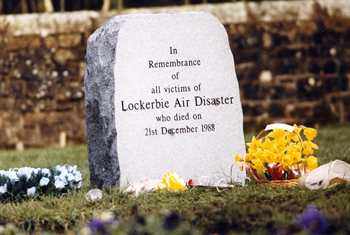
“There was a single primary return received (…) 16 seconds before SSR returns were lost. […] No explanation can be offered for its presence.”
Pan AM 103 AAIB
“We immediately contacted the airlines that operate the eight affected planes to notify them of the situation, and the airplanes have been temporarily removed from service until they can be repaired. The rest of the in-service fleet has been determined to meet limit load capability, and we are inspecting production airplanes to ensure any issues are addressed prior to delivery.”
Boeing — Monday September 7 2020
“The plane maker has told U.S. aviation regulators that it produced certain parts at its South Carolina facilities that failed to meet its own design and manufacturing standards, according to an Aug. 31 internal Federal Aviation Administration memo reviewed by The Wall Street Journal.”
The Wall Street Journal — Monday September 7 2020
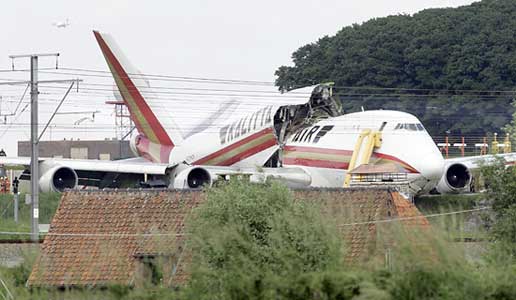
Kalitta Air (Brussels — May 25, 2008) — Boeing 747 split in two pieces after hit by a bird during take-off…
September 10 2020 — Boeing has delivered more than 1,500 of these jets since 1970. The 747 has been involved in 60 hull losses, resulting in 3,722 fatalities. The destruction in flight of three Boeing-747 remains the subject of intense debates to this day: AIR INDIA 182, PAN AM 103, and TWA 800. Follow us on Twitter: @INTEL_TODAY Continue reading