
“The Vatican should ensure that the historical record is clear and that justice is served before making any determinations on Baudouin’s virtue and legacy. Ultimately, calls for postponing the beatification process are not about undermining Baudouin’s personal faith or commitment but about ensuring that historical accountability is upheld. The moral weight of a saintly title demands scrutiny free from unresolved allegations of wrongdoing, especially when they involve matters of life, death, and global justice.”
Intel Today
(January 22, 2025)
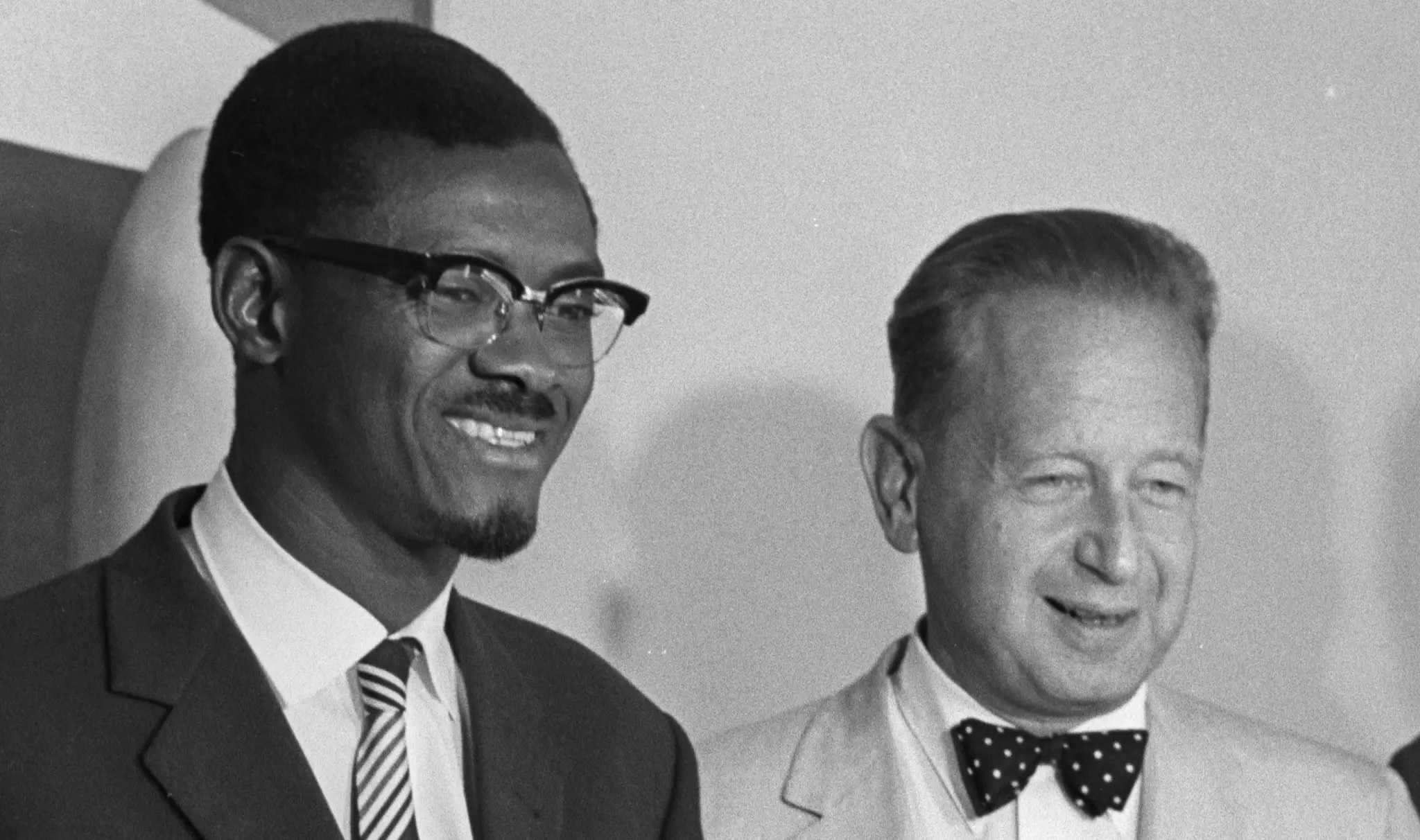
September 24, 2025 — On January 22, 2025 — coinciding with the anniversary of President Truman’s creation of the Central Intelligence Group — I published an opinion piece on the proposed beatification of King Baudouin I of Belgium. Today, several experts write on this subject and Belgian newspaper La Libre is organizing a poll. At the time, I argued that any decision should be suspended until a full and transparent investigation into the death of UN Secretary-General Dag Hammarskjöld was completed. I stand by that position. Follow us on Twitter: @Intel_Today
RELATED POST: Dag Hammarskjold — Belgian Intel Agency Fabricated Mercenary Alibi
RELATED POST: Biography — Jan Van Risseghem [Prime Suspect in Hammarskjold Cold case]
RELATED POST : One Year Ago — Pope Recognizes Martyrdom of the Seven Trappist Monks Murdered in Tibhirine, Algeria (1996)
Since then, new developments have only deepened the concerns. Historians have recently noted that King Baudouin had, if not directly “been involved” in the assassination of Congolese Prime Minister Patrice Lumumba, at least acquiesced to his liquidation.
On June 17, 2025, Belgium’s federal prosecutor formally requested the prosecution of Étienne Davignon, former diplomat and influential figure in both Belgian and European politics, for his alleged role in Lumumba’s illegal arrest and transfer in 1961.
Meanwhile, in the United States, intelligence agencies acknowledge the existence of at least three classified documents concerning Hammarskjöld’s death. Yet they refuse to release these records to the UN, claiming disclosure would cause “great damage” to national security.
In order to make a wise decision on Baudouin’s beatification, we need reliable information and time for sober reflection.
Today, we lack both the facts and the distance necessary to assess monumental events that continue to shape our world.
With Hammarskjöld’s assassination, many argue, the UN itself was mortally wounded—a decline that today’s ongoing circus sadly illustrates.
Under such circumstances, no responsible conclusion can yet be reached. Time, after all, needs time.
REFERENCES
Here is the text I wrote in January:
The day after the mysterious death of U.N. Secretary-General Dag Hammarskjold (29 July 1905 – 18 September 1961), President Truman told a group of reporters:
“Hammarskjöld was at the point of getting something done when they killed him. Notice that I said ‘when they killed him’.”
For the last six decades, Hammarskjold’ death was ruled an accident, and anyone considering an assassination was dismissed as a conspiracy theorist. Time have changed…
Today, most experts believe that U.N. Secretary-General Dag Hammarskjold was indeed assassinated. One question remains unanswered: Who is ‘they’?
Recent investigations, including the U.N.’s official inquiries and independent research, have revealed compelling evidence of foul play—such as intercepted radio transmissions, eyewitness testimonies of a second aircraft in the sky, and the presence of bullet wounds in some of the victims’ bodies.
Ultimately, while no single entity has been definitively identified as “they,” the convergence of Cold War geopolitics, corporate greed, and colonial interests all point to a coordinated effort by powerful forces unwilling to see Africa slip from their grasp.
Declassified documents and testimonies have suggested Western intelligence agencies (CIA, MI6, Belgian Interests) might have been involved in orchestrating his demise to protect their economic and political interests.
The proposed beatification of King Baudouin I of Belgium is a significant and sensitive issue, especially in light of unresolved questions surrounding the death of U.N. Secretary-General Dag Hammarskjöld.
Given Belgium’s deep involvement in the Congo Crisis—particularly through its support for the secessionist province of Katanga and its economic interests in the region—any potential complicity in Hammarskjöld’s death raises serious ethical and moral concerns regarding Baudouin’s legacy.
Baudouin, as the monarch during Belgium’s controversial decolonization of the Congo, was closely associated with policies that prioritized Belgian economic and political interests over the sovereignty and welfare of the Congolese people. Belgium’s support for the Katangan secession, its ties to powerful mining corporations like Union Minière, and the suspected involvement of Belgian mercenaries in operations against U.N. peacekeeping forces have all been well-documented.
If evidence were to confirm that Belgian elements played a role in Hammarskjöld’s assassination—whether through direct action or complicity—this could cast a shadow over Baudouin’s candidacy for sainthood.
The process of beatification requires a thorough examination of the candidate’s life, actions, and moral integrity. It would be prudent, therefore, to suspend any decision regarding Baudouin’s beatification until a full and transparent investigation into Hammarskjöld’s death is completed. The Vatican should ensure that the historical record is clear and that justice is served before making any determinations on Baudouin’s virtue and legacy.
Ultimately, calls for postponing the beatification process are not about undermining Baudouin’s personal faith or commitment but about ensuring that historical accountability is upheld. The moral weight of a saintly title demands scrutiny free from unresolved allegations of wrongdoing, especially when they involve matters of life, death, and global justice.
=
The Ghosts of Lumumba and Hammarskjöld: On the Proposed Beatification of King Baudouin I of Belgium
 Intel Today